
Author: コトバ君
-
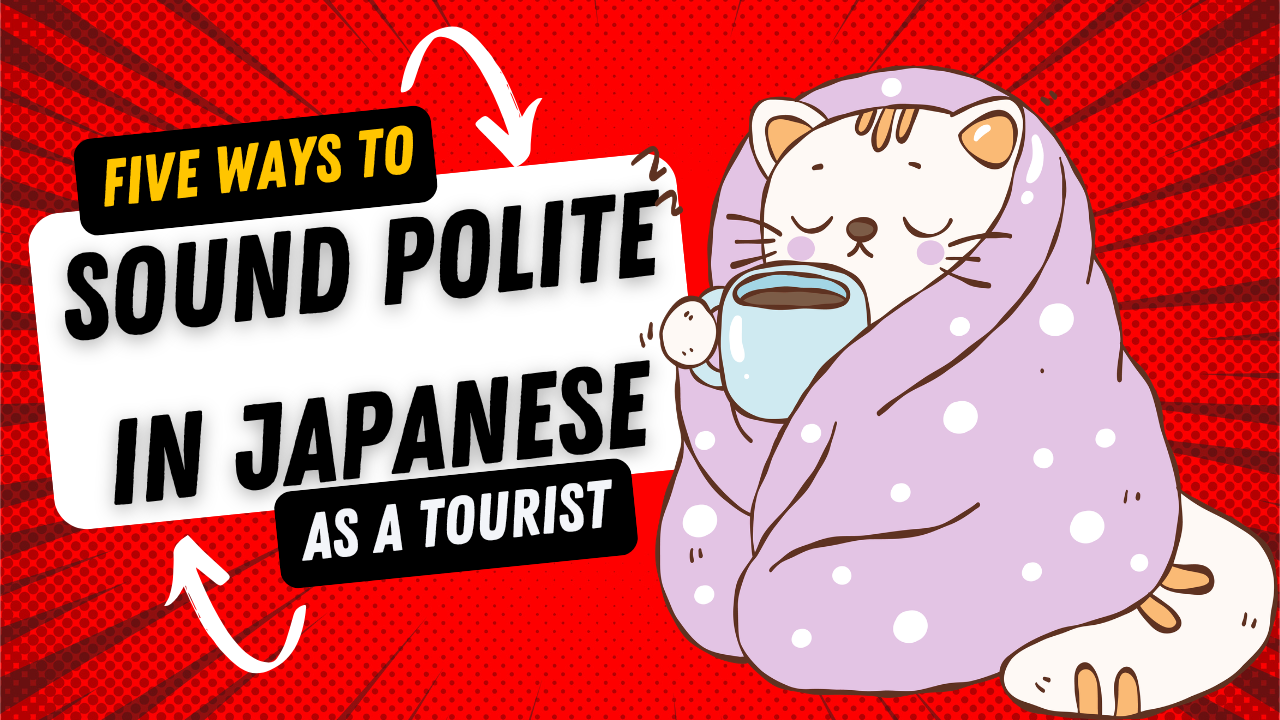
5 Ways to Sound Polite in Japanese as a Tourist
These small actions will make your interactions warmer right away. Here are five simple ways to sound more polite and make the locals love you (without memorising a textbook).
-
New Lesson – Raising with Replacing Verbs
Meet the six most common replacing forms, learn what they replace, and get up to speed on some of their quirks.
-
New Lesson – Contextual Factors That Control Referent Honorifics
Join me as we break down how vertical distance (respectful and humble language), in-group/out-group boundaries, community norms, and first-meeting uncertainty all shape what sounds natural (or awkward) in Japanese.
-

Bonus: Making Commands With Respectful Verbs
Making commands can be rude, but there’s a polite way to do it too! To do this, you only need a few command forms based on the most common respectful verbs.
-
Bonus: Replacing-Form Verbs in the Polite Form(〜ます)
Learn how replacing-form respectful verbs become ます, including why くださる, なさる, and おっしゃる use special polite forms.
-
New Lesson – Respectful Verbs and Third Parties
Polite language and respectful language often show up together, but it’s super important to treat them as separate parts doing separate jobs.
-

New video’s up 🎥
Today’s episode introduces the concept of “Prestige in Language”. I promise it’s not as pretentious as it sounds and is like your speech just put on a neck tie.
-
New Lesson – Introduction to Respectful Language
Learn the three respectful verb forms (Replacing / Adding / (ra)reru) and why you can’t use respectful verbs for yourself without sounding like a villain.
-
New Lesson – Introduction to Referent Honorifics
The “hierarchy” part of Japanese honorifics, where respectful and humble forms signal vertical distance.
-
New Lesson – The Best Pronoun Is No Pronoun
You’ll learn why Japanese often skips “you” entirely, what to use instead, and how pronouns quietly carry social “vibes”.